
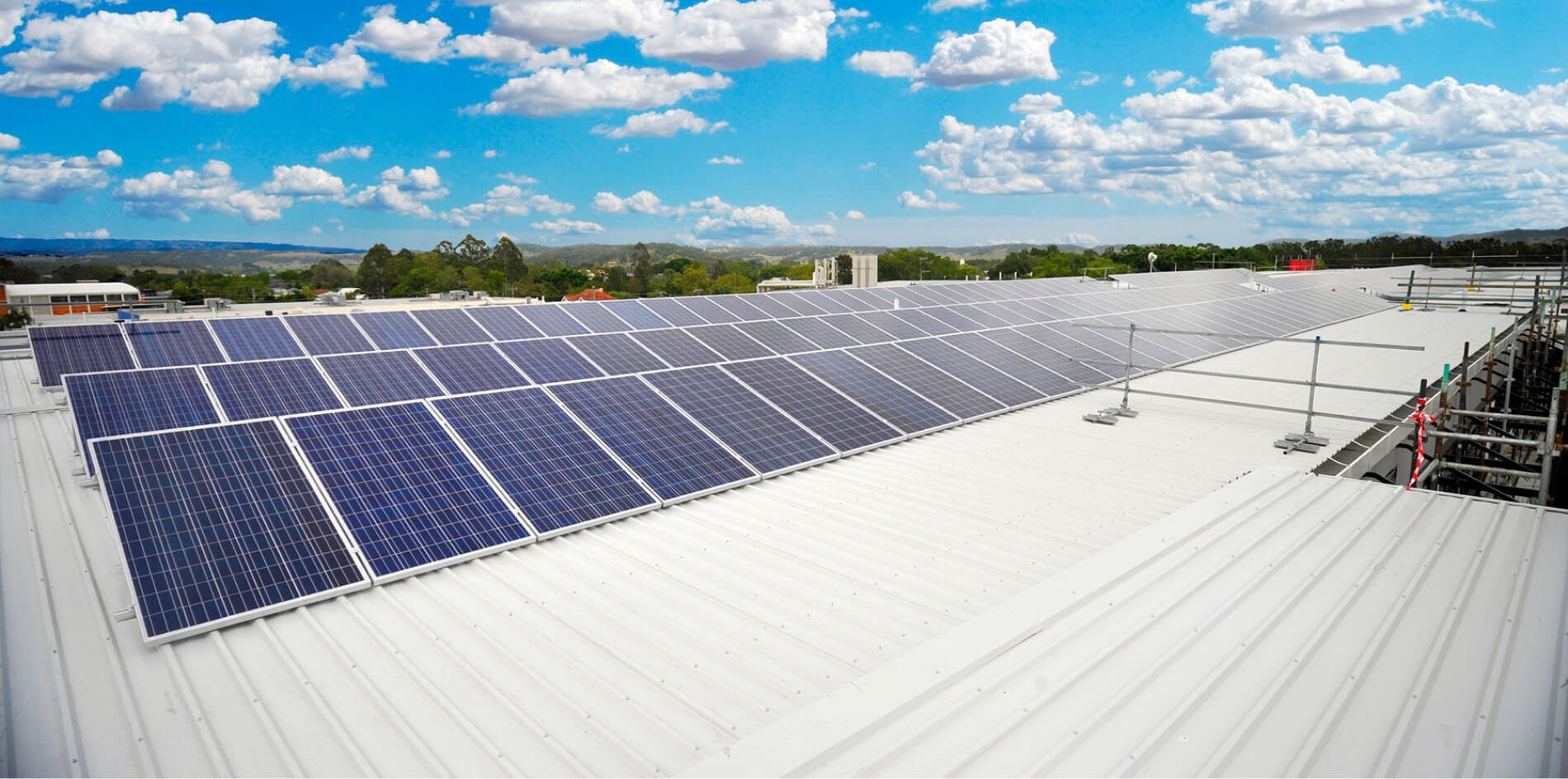
Energy Management Systems
Smarter Energy Solutions for a Changing Energy Market
Across Northern NSW, electricity pricing is changing rapidly.
The traditional energy model of cheap daytime power, generous solar feed-in tariffs and simple electricity billing is disappearing. Electricity retailers are increasingly introducing smart pricing structures, daily supply charges continue to rise and feed-in tariffs have fallen significantly compared to previous years. At the same time, many homes and businesses are producing more solar power than ever before, yet receiving less value when exporting excess electricity back to the grid.
As a result, simply installing solar panels is no longer the complete solution. The homes and businesses likely to benefit most over the coming years will be those that can generate, store, monitor and intelligently manage their energy usage.
This is where Energy Management Systems play a critical role. Modern energy management systems help homes and businesses monitor, store and control electricity usage more effectively while reducing reliance on expensive grid power.
By combining technologies such as solar power, battery storage, EV charging, smart electricity plans and energy monitoring, Energy Management Systems help ensure energy is used when it delivers the greatest financial benefit.
The future of energy is no longer just about generating electricity. It's about managing when it is generated, stored and used.
At JDZ Solar & Electrical, we help Northern NSW homes and businesses navigate this transition with practical Energy Management Systems Australia solutions designed to reduce long-term energy costs and improve energy independence.
Why the Traditional Solar Model Is Changing
For many years, the formula was simple:
Install solar panels
Export excess electricity to the grid
Receive a solar feed-in tariff
For thousands of NSW households and businesses, this model delivered excellent savings.
However, the electricity market is evolving.
Feed-in tariffs have steadily declined while electricity purchase prices have continued to increase. In many situations, customers may receive only a few cents per kilowatt-hour for exported solar energy, yet pay significantly more when purchasing electricity back from the grid during peak periods.
The reality is that the value of electricity now depends increasingly on when it is generated, stored and used.
This shift is driving demand for smarter energy solutions that help customers maximise the value of the energy they produce.
Why Energy Management Matters More Than Ever
Several major changes are reshaping the NSW electricity market:
Rising electricity usage charges
Increasing daily supply charges
Falling solar feed-in tariffs
Expansion of time-of-use pricing
Growth in electric vehicle ownership
Greater demand on the electricity network
Smart electricity plans that reward flexible energy use
The old model of producing solar power during the day and exporting it to the grid is becoming less effective.
Today's energy market increasingly rewards customers who can:
Store excess energy
Shift when they use electricity
Charge batteries during low-cost periods
Avoid expensive evening electricity purchases
Take advantage of smart electricity plans
This is the foundation of modern energy management. These market changes are accelerating demand for smart energy management systems that can automatically optimise when electricity is generated, stored and consumed.
Energy Management Systems Australia
Across Australia, rising electricity prices, falling feed-in tariffs and increasing battery adoption are driving interest in energy management systems Australia wide. Homeowners and businesses are increasingly looking for ways to maximise self-consumption and reduce ongoing electricity costs through smarter energy planning.
The New Energy Strategy
The future of energy is no longer simply about installing solar panels.
The most effective energy systems now combine:
Solar Power + Battery Storage + Smart Tariffs + EV Integration + Energy Automation
Rather than relying solely on electricity exports, these systems allow homes and businesses to store energy when it is abundant and use it when electricity prices are highest.
The result can be:
Lower power bills
Greater energy independence
Better use of solar generation
Reduced exposure to future electricity price increases
Improved long-term return on investment
This is the core principle behind Energy Management Systems.
What Is an Energy Management System?
Many people ask, "What is an energy management systems and how does it work?" An Energy Management System (EMS) brings together the technologies and strategies used to optimise how electricity is generated, stored and consumed.
Rather than treating solar panels, batteries, EV chargers and appliances as separate systems, an energy management system allows them to work together as part of a coordinated energy strategy.
An Energy Management System may include:
Energy monitoring platforms
Smart electricity tariffs
Load management technologies
Backup power systems
The objective is simple:
Generate more of your own power, store more of your own energy and purchase less electricity from the grid.
Why Batteries Are Becoming More Important
Battery storage is rapidly becoming one of the most valuable components of a modern energy system.
Across NSW, wholesale electricity prices are increasingly falling during the middle of the day when solar generation is abundant. At the same time, electricity prices during peak demand periods remain significantly higher.
Battery systems allow customers to take advantage of this changing market.
Benefits of battery storage include:
Storing excess solar energy for later use
Reducing expensive evening grid imports
Increasing solar self-consumption
Improving blackout protection
Taking advantage of battery-friendly electricity plans
Charging from low-cost electricity periods
For many homes and businesses, batteries are becoming the technology that connects solar power, EV charging and smart tariff strategies into one integrated energy solution. When combined with an energy management system, battery storage becomes a powerful tool for reducing electricity costs and improving energy independence.
Smart Tariffs & Energy Planning
A growing number of electricity retailers now offer innovative pricing plans designed to reward customers who use electricity at specific times.
These may include time-of-use tariffs, free daytime electricity periods, ultra-low overnight charging rates, wholesale-linked electricity plans, EV-specific electricity plans and battery-friendly electricity products.
Understanding how these plans work can significantly influence the performance of an energy system.
In some situations, combining a battery system with the right electricity plan can deliver greater long-term savings than simply installing additional solar panels.
This is why energy strategy is becoming just as important as energy generation.


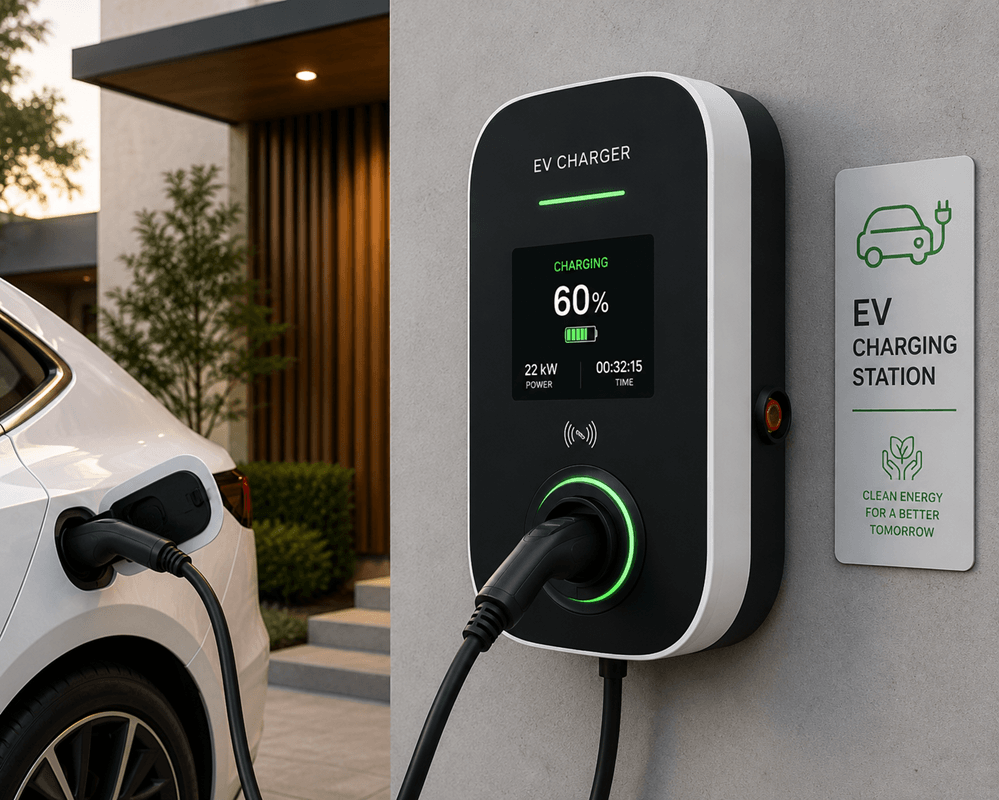
Integration of Electric Vehicle Charging
Electric vehicles are becoming one of the largest electricity loads in many households.
Without planning, EV charging can significantly increase electricity costs.
An Energy Management System can coordinate EV charging with:
Solar generation
Battery storage
Smart electricity tariffs
Scheduled charging periods
Modern smart energy management systems can automatically prioritise EV charging when solar production is highest or electricity prices are lowest. This helps ensure vehicles are charged at the lowest possible cost while maximising the value of solar production and battery storage.
As EV adoption continues to grow, integrating vehicle charging into a broader energy strategy will become increasingly important.
At JDZ Solar we are committed to providing outstanding service and equipment.
As local solar installers and suppliers, our service includes a thorough analysis of your daily power usage followed by recommendations on how to maximize your generation with optimum panel layout and aspect, as well as battery size and configuration.
We need the following information to provide you with your in-depth quotation:
Full power bill – Critical for correct sizing
Photo of meter board – To determine 1/2/3 Phase operation
Photo of the label of existing inverter – So we know what solar is there
We then provide a detailed assessment of the proposed solar and battery system design and how it will function for you over time.
Features
-
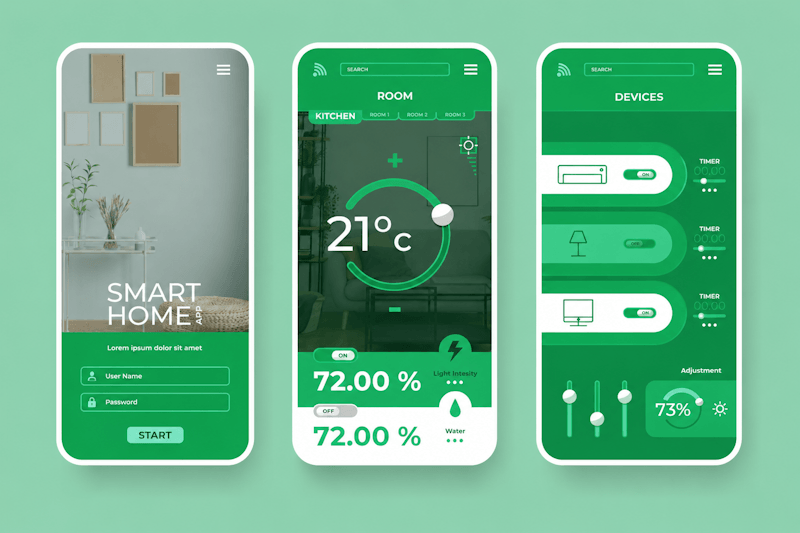
Home Energy Management System Monitoring & Automation
Every home energy management system begins with understanding how electricity is being used throughout the property.
Modern monitoring systems provide real-time visibility of:
Solar production
Battery performance
Electricity consumption
Grid imports
Electricity exports
EV charging behaviour
This information allows homeowners and businesses to identify opportunities for greater efficiency and automate energy usage where appropriate.
The result is better control, improved visibility and more informed energy decisions.
-
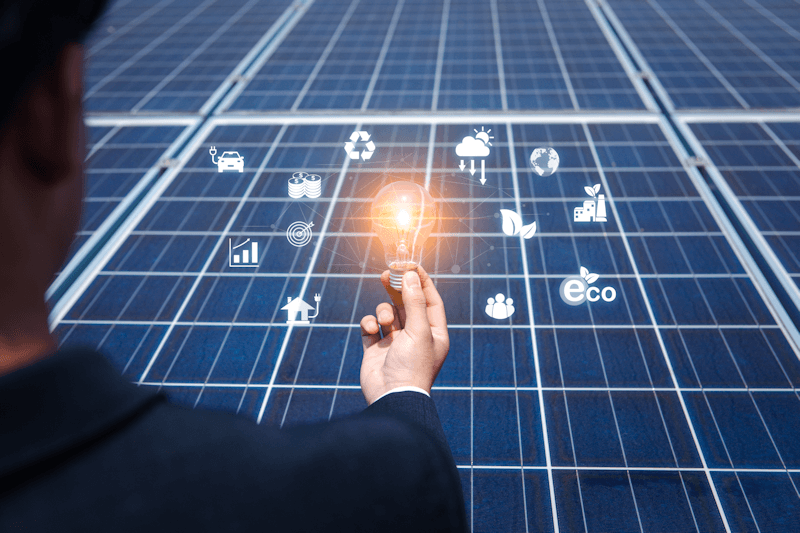
Management System for Energy Planning
Every household has different energy requirements and needs a tailored management system for energy generation, storage and consumption.
To design the right Energy Management System, JDZ Solar & Electrical typically reviews:
Full electricity bills
Historical usage patterns
Import and export data
Existing solar systems
Current inverter equipment
Meter board configuration
Future electricity requirements
Factors such as family size, work-from-home arrangements, electric vehicles, battery storage and future energy goals all influence the ideal solution.
By understanding how energy is currently being used, we can design a solution that delivers the greatest long-term value.
-

Commercial Energy Management
While many homeowners are exploring a home energy management system, businesses are increasingly adopting advanced commercial energy management solutions to control operating costs.
For many businesses, electricity is a significant operating expense.
Commercial Energy Management Systems can help businesses:
Reduce ongoing electricity costs
Improve energy efficiency
Increase solar self-consumption
Manage peak demand
Integrate battery storage
Improve energy resilience
As electricity prices continue to rise, many businesses are looking beyond traditional solar systems and adopting broader energy management strategies to reduce operating costs and improve profitability.
Future-Proof Your Energy Costs
The NSW energy market will continue to evolve.
Feed-in tariffs are likely to remain under pressure, battery adoption is increasing, electric vehicles are becoming more common and electricity pricing structures are becoming more sophisticated.
Managing when electricity is used now matters more than ever.
For many homes and businesses across Northern NSW, the greatest long-term savings are increasingly being achieved through a combination of:
Solar Power
Battery Storage
Smart Tariffs
EV Integration
Energy Management Technologies
At JDZ Solar & Electrical, we help customers navigate this transition with practical, future-focused energy solutions tailored to the way electricity is changing.
If you're looking to reduce power bills, improve energy independence or better understand the opportunities available in today's evolving energy market, talk to our team about a customised Energy Management System. JDZ Solar & Electrical designs energy management systems for homes and businesses across Northern NSW that are tailored specifically to your property and energy goals.