
Solar Air Conditioning & Split System Air Conditioning
Stay Comfortable While Reducing Energy Costs
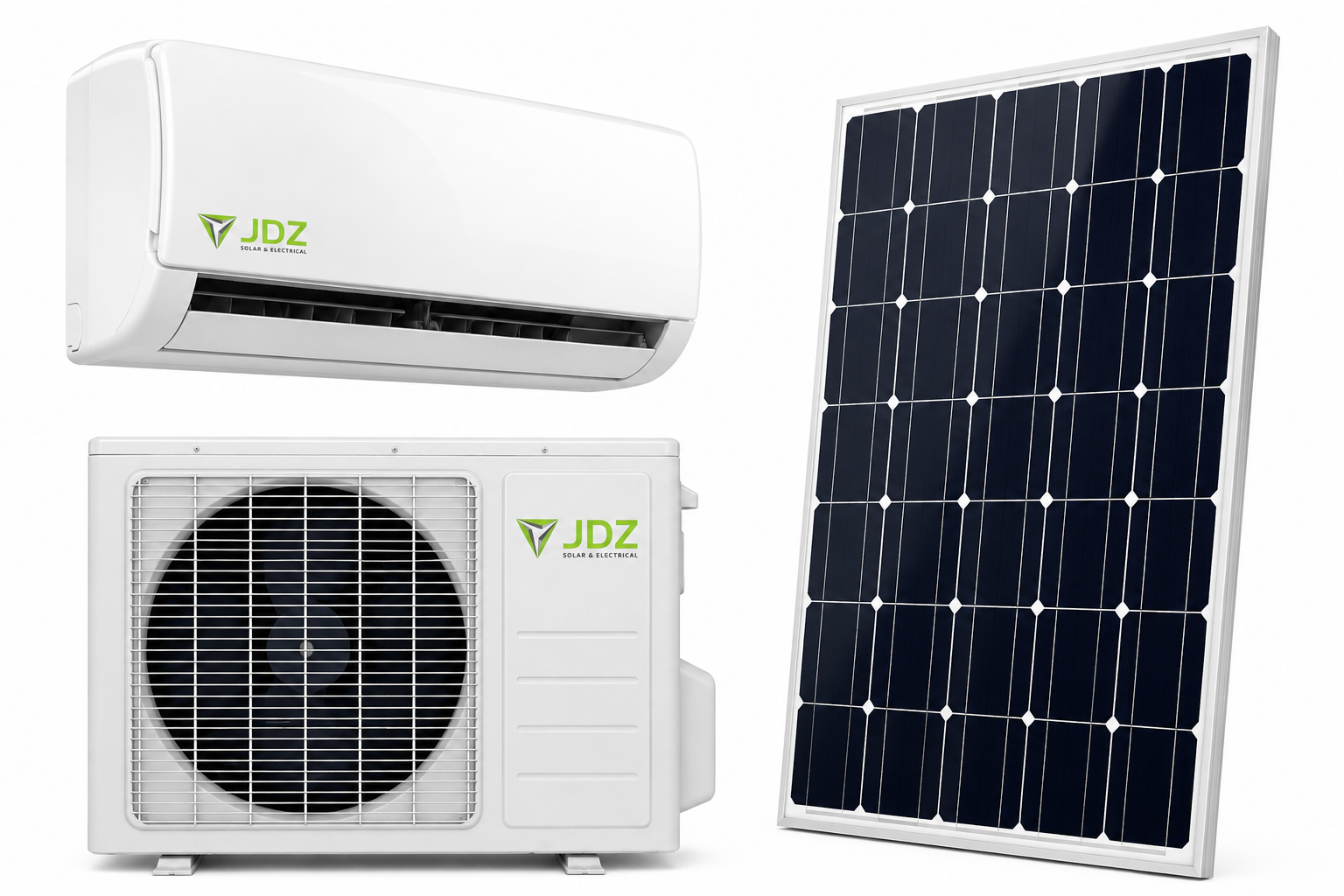
For many households across Northern NSW, air conditioning is one of the largest contributors to electricity consumption. A properly designed solar air conditioning unit can dramatically reduce cooling costs by using solar energy generated during the times air conditioning is needed most.
As power prices continue to rise, choosing the right heating and cooling solution is becoming increasingly important. A modern split system air conditioner can provide efficient year-round comfort while using significantly less energy than older heating and cooling technologies.
At JDZ Solar & Electrical, we see air conditioning as more than simply keeping a home comfortable. When integrated with solar power, battery storage and smart energy strategies, air conditioning can form an important part of a broader Energy Management System designed to reduce long-term electricity costs.
Why Modern Split Systems Are So Popular
Today's split system air conditioners are significantly more efficient than many older systems.
Benefits include:
Energy-efficient heating and cooling
Lower running costs
Improved temperature control
Quiet operation
Zoned comfort throughout the home
Year-round performance
For many households, upgrading an older air conditioning system can deliver noticeable reductions in electricity consumption while improving overall comfort.
Smarter Cooling Through Energy Management
Modern air conditioning systems can be combined with:
Solar power
Battery storage
Smart electricity tariffs
Energy monitoring systems
Automated controls
Combining solar power and air conditioning is one of the most effective ways to reduce household electricity costs, particularly during hot Northern NSW summers when cooling demand is highest.
The future of energy is no longer simply about generating electricity. It's about using it more intelligently.

Take Control of Your Heating & Cooling Costs
Modern split system air conditioning can play an important role in reducing household energy consumption while improving comfort throughout the year.
Talk to JDZ Solar & Electrical about efficient heating and cooling solutions designed to work alongside your solar, battery and energy management system.
The Way We Use Energy Is Changing
For years, reducing electricity bills was largely about installing solar panels and exporting excess energy back to the grid.
Today, feed-in tariffs are lower, electricity prices are higher and the value of energy increasingly depends on when it is used.
This means homeowners are looking more closely at major energy loads within the home, and air conditioning is often one of the biggest.
Running air conditioning on solar power allows homeowners to make better use of the electricity generated by their solar system while reducing expensive grid consumption during the day.
A Perfect Match for Solar & Battery Systems
One of the biggest advantages of modern split systems is how well they work alongside solar power systems.
During the day, excess solar generation can be used to power heating and cooling rather than being exported to the grid for a relatively low feed-in tariff.
As battery systems become more common across NSW, many homeowners are also looking at how major appliances can be integrated into their broader energy strategy.
Using more of the energy you generate yourself is becoming increasingly important as electricity pricing continues to evolve.
Solar Powered Air Conditioning vs Traditional Air Conditioning
A solar powered air conditioning unit uses electricity generated by your solar system to reduce cooling costs during the day, while traditional air conditioning relies entirely on grid electricity. By combining solar power and air conditioning, homeowners can significantly lower energy bills and make better use of the solar energy their system generates.
Why Choose JDZ Solar & Electrical ?
At JDZ Solar & Electrical, we help Northern NSW homeowners understand how different technologies work together to reduce long-term energy costs.
Whether you're considering a new solar air conditioning unit, upgrading an existing system or looking to combine solar power and cooling for maximum energy savings, JDZ Solar & Electrical can help design a solution tailored to your property.
Solar Air Conditioning FAQs
Can Solar Panels Run an Air Conditioner?
1
Yes. Solar panels can run an air conditioner by generating electricity that is used throughout the home, including by your cooling system. In fact, air conditioning and solar power are often an ideal match because cooling demand is typically highest during sunny periods when solar generation is at its peak. A properly sized solar system can significantly reduce the cost of running air conditioning during the day and increase overall energy savings.
How Many Solar Panels Do I Need for Air Conditioning?
2
The number of solar panels required depends on the size of the air conditioner, how often it operates and your overall household electricity consumption. A small split system used occasionally will require less solar generation than multiple large reverse-cycle units running throughout the day. Factors such as roof orientation, shading and available installation space also influence system sizing. JDZ Solar & Electrical can assess your energy usage and recommend the most suitable solar system for your cooling requirements.
Is Solar Air Conditioning Worth It?
3
For many Northern NSW households, solar air conditioning is one of the most effective ways to reduce electricity costs. Air conditioning can be one of the largest contributors to summer power bills, particularly during extended periods of hot weather. By using solar energy generated during the day, homeowners can offset a significant portion of their cooling costs. Many customers find that combining solar power and air conditioning improves comfort while reducing long-term energy expenses.
Can I Run Air Conditioning Directly from Solar Power?
4
In most residential installations, air conditioning is powered by electricity generated by the solar system and supplied through the home's electrical system. During daylight hours, solar energy can offset or fully cover the power used by the air conditioner, depending on system size and operating conditions. If solar production exceeds demand, excess energy may be exported to the grid or stored in a battery system for later use.
What Is the Cost of Solar Air Conditioning in Australia?
5
The cost of solar air conditioning in Australia varies depending on the size and type of air conditioner, the solar system capacity, installation requirements and whether battery storage is included. Homes with an existing solar system may only require air conditioning installation, while others may choose to install both systems at the same time. Because every property is different, JDZ Solar & Electrical provides tailored recommendations based on your energy usage, cooling needs and budget.
Can Air Conditioning Work During a Blackout?
6
Most standard grid-connected solar systems automatically shut down during a blackout for safety reasons, which means the air conditioner will also stop operating. However, if your property includes battery storage with backup capability or a backup generator system, selected air conditioning units may continue operating during an outage. The ability to run air conditioning during a blackout depends on the design and capacity of the overall energy system.
Can Solar and Battery Storage Power Air Conditioning at Night?
7
Yes. Battery storage systems can store excess solar energy generated during the day and make it available after sunset. This allows homeowners to operate air conditioning during the evening and overnight using stored solar energy rather than purchasing electricity from the grid. The amount of cooling that can be supported depends on the battery capacity, air conditioner size and household energy usage. For many customers, solar and battery storage provide a practical solution for reducing cooling costs both day and night.
What Size Air Conditioner Works Best with Solar Power?
8
Almost any modern reverse-cycle air conditioner can be paired with solar power, but system sizing is important. An oversized air conditioner can consume more electricity than necessary, while an undersized unit may struggle to maintain comfort during extreme weather. Matching the air conditioning capacity to the home's requirements and available solar generation helps maximise efficiency, comfort and long-term energy savings.
Is Battery Storage Necessary for Solar Air Conditioning?
9
No. Many homeowners achieve excellent savings by running air conditioning during the day using solar power alone. However, battery storage can increase the benefits by allowing excess solar energy to be used after sunset when cooling may still be required. Whether battery storage is worthwhile depends on your energy usage patterns, budget and long-term energy goals.
Will Solar Power Reduce My Air Conditioning Bills?
10
In most cases, yes. Air conditioning often accounts for a significant portion of household electricity use, particularly during hot summer weather when cooling demand is highest. Because solar panels generate the most electricity during sunny daytime conditions, solar power and air conditioning are a natural fit. A properly sized solar system can offset much of the electricity used by your air conditioner during the day, helping reduce energy bills and increase the value of the solar energy your home generates.
For even greater savings, solar power can be combined with battery storage to help run air conditioning during the evening and overnight using stored solar energy rather than purchasing electricity from the grid.