
Home Backup Generators & Backup Power Systems
Energy Security When You Need It Most
Most people don't think about backup power until they lose it.
Whether it's a severe storm, network fault, planned maintenance or an unexpected outage, losing power can quickly affect refrigeration, communications, water pumps, internet access, security systems and business operations.
As homes and businesses become increasingly reliant on electricity, many Northern NSW property owners are placing greater value on energy security and resilience.
At JDZ Solar & Electrical, we help customers explore backup power solutions that provide greater confidence when grid power is unavailable.
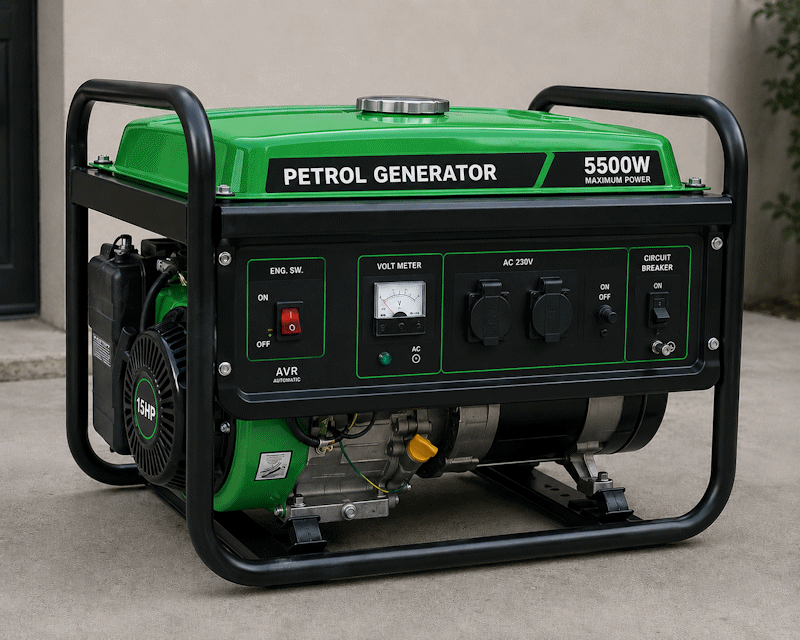
Electricity powers almost every part of modern life. Rising electricity prices, severe weather events and increasing grid instability are driving demand for home backup generators across Australia.
A reliable backup generator for your house can provide power during blackouts, storms and network outages while helping protect essential appliances and equipment.
Homes now rely on electricity for:
Refrigeration
Internet connectivity
Home offices
Security systems
Water pumps
Electric vehicle charging
Medical equipment
Businesses often face even greater risks when power is interrupted, including lost productivity, operational downtime and potential financial losses.
As dependence on electricity continues to grow, backup power is becoming an increasingly important part of many energy strategies..
Why Backup Power Is Becoming More Important.
Backup power today is often part of a broader Energy Management System. When you need emergency power, the right backup power generator for home or business use can provide peace of mind when the grid goes down.
Many customers are now combining:
to improve resilience while reducing electricity costs.
For some properties, batteries may provide short-duration backup power. For others, a generator may be the most practical solution for maintaining power during extended outages.
More Than Just a Generator.
Every property is different. Many customers ask us what is the best generator for home backup power in Australia conditions.
The answer depends on your property, power requirements, solar system, battery storage and whether you require whole-home backup or emergency backup for essential circuits only.
The most suitable solution depends on factors such as:
Energy usage
Critical appliances
Backup duration requirements
Existing solar systems
Battery storage capacity
Future energy goals
Our team can assess your requirements and help determine the most practical and cost-effective approach. The best home backup generator is not always the largest unit. Correct sizing ensures you can power essential appliances without overspending on equipment or fuel costs.
Choosing the Best Generator for your Home Backup Power Solution.
Supporting Energy Independence
As electricity prices continue to rise and the energy market evolves, many customers are looking beyond bill savings alone.
Reliability, resilience and energy independence are becoming increasingly important considerations.
Backup power solutions can help provide peace of mind while ensuring essential systems remain operational when grid power is unavailable.
Why Choose JDZ Solar & Electrical?
We understand that every energy system has different objectives.
For some customers the focus is reducing power bills. For others it is maintaining business continuity or protecting critical equipment.
Our team can help design a backup power strategy that complements your existing solar, battery and energy management systems while providing reliable support when you need it most.
Protect Your Home or Business.
Talk to JDZ Solar & Electrical about backup power solutions designed to improve energy security and provide greater confidence during power interruptions.
Generators and Backup Systems FAQs
What Is the Best Generator for Home Backup Power in Australia?
1
The best generator for home backup power depends on your property's electricity requirements, how often outages occur and whether you need to power the entire home or only essential circuits. For many households, a backup generator integrated with solar and battery storage can provide a practical balance between reliability and cost. Larger rural properties may benefit from diesel generators, while smaller homes often choose petrol-powered backup systems. JDZ Solar & Electrical can help assess your power usage and recommend the most suitable backup generator solution for your needs.
How Large a Backup Generator Do I Need?
2
The size of a backup generator depends on the appliances and equipment you want to operate during a power outage. Essential loads may include refrigeration, lighting, communications equipment, water pumps, medical devices and selected power outlets. Whole-house backup requires significantly more capacity than essential-load backup. Our team reviews your electricity usage, existing solar and battery systems and future requirements to determine the correct generator size for your property.
Can a Generator Work with Solar Panels?
3
Yes. A backup generator can work alongside solar panels and battery storage as part of a broader energy management strategy. During extended periods of poor weather or prolonged outages, a generator can provide additional power when solar generation is limited and batteries become depleted. When properly designed and installed, solar, battery and generator systems can work together to improve energy security and reduce reliance on the grid..
Can a Generator Charge a Battery System?
4
In many cases, yes. Modern backup generators can be configured to charge battery storage systems when solar production is insufficient or during extended blackouts. This allows stored energy to be replenished and used later when required. Compatibility depends on the battery system, inverter technology and overall system design. JDZ Solar & Electrical can advise on generator integration options that work safely with your existing solar and battery equipment.
What Is the Difference Between Diesel and Petrol Generators?
5
Diesel and petrol generators both provide backup power but are suited to different applications. Diesel generators are typically more fuel-efficient, have longer operating lifespans and are often preferred for larger homes, farms and commercial properties. Petrol generators generally have a lower upfront cost and are well suited to occasional residential backup use. The best choice depends on your budget, expected usage, power requirements and long-term energy goals.
Can a Backup Generator Power an Entire House?
6
Yes, a house backup generator can be designed to power an entire home, provided it is correctly sized for the electrical load. Some homeowners choose whole-house backup for maximum convenience, while others prefer to power only essential circuits to reduce generator size and operating costs. Factors such as air conditioning, hot water systems, pool pumps and electric vehicle charging can significantly influence generator sizing. Our team can help determine the most practical solution for your property.
Are Backup Generators Worth It in Northern NSW?
7
For many homes and businesses, backup generators provide valuable protection against storms, network outages and unexpected power interruptions. A backup power generator can help keep refrigeration running, maintain communications, power pumps and support critical appliances during outages. When combined with solar power and battery storage, generators can form part of a comprehensive energy resilience strategy designed to improve energy independence and reduce disruption during grid failures.
Can a Backup Generator Be Combined with Battery Storage?
8
Yes. Many modern energy systems combine solar panels, battery storage and a backup generator to provide multiple layers of protection. Solar power can supply daytime energy, batteries can provide stored electricity during the evening and a generator can act as a final backup when required. This approach can improve reliability while helping reduce long-term electricity costs and dependence on the grid.